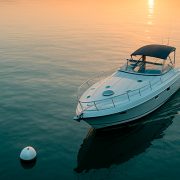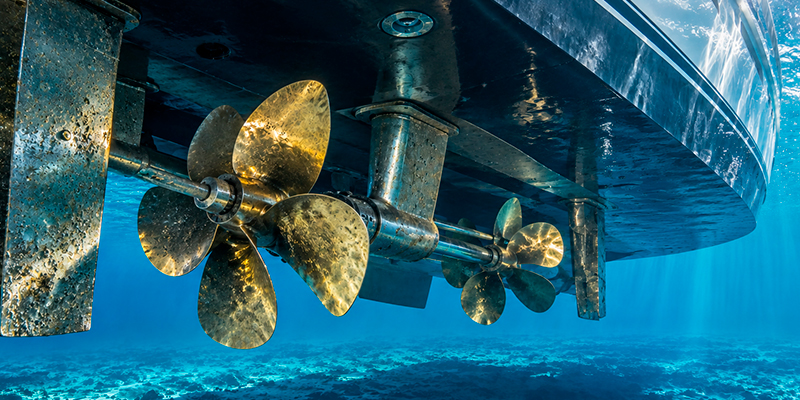
A yacht may look immaculate above the waterline while a very different situation is developing below the surface. The underwater hull is continuously exposed to seawater, marine growth and environmental conditions that can gradually affect the vessel’s performance and the condition of its underwater components.
Regular underwater hull maintenance helps keep these areas clean and provides an opportunity to identify potential problems before they develop into more serious issues. Hull cleaning, underwater inspection and timely repairs therefore form an important part of preventive yacht maintenance, particularly for vessels that spend long periods in the water.
Why Underwater Hull Maintenance Is Important
The underwater portion of a yacht is constantly exposed to conditions that encourage marine growth. Slime, algae, barnacles and other organisms can accumulate on the hull and underwater equipment, even when an antifouling coating is present.
As fouling develops, the hull surface becomes rougher and creates additional resistance as the yacht moves through the water. A heavily fouled hull can negatively affect vessel performance and efficiency, while marine growth on propellers and other running gear may also interfere with their normal operation.
Underwater maintenance is therefore about more than keeping the bottom of a yacht visually clean. It provides an opportunity to monitor the condition of areas and components that are normally hidden from view.
Hull Cleaning and Marine Growth
Marine growth begins developing below the waterline as soon as conditions allow it. How quickly this occurs varies according to factors such as water temperature, local marine conditions, how frequently the yacht is used and how much time it spends stationary.
Regular underwater hull cleaning removes accumulated growth before it becomes more established. Particular attention may also be required around propellers, shafts, rudders, trim tabs, water intakes and other submerged components where fouling can affect operation.
Cleaning frequency should not necessarily be treated as a fixed interval for every yacht. A vessel kept in warm coastal waters throughout the year can experience very different fouling conditions from one that is used seasonally or spends more time underway.
The condition of the antifouling system also matters. Underwater cleaning should be performed with appropriate techniques and care to avoid unnecessarily damaging the coating while removing marine growth.
What Should Be Checked During an Underwater Inspection?
Cleaning the hull creates a useful opportunity to inspect areas that owners and crews cannot normally see from above the waterline.
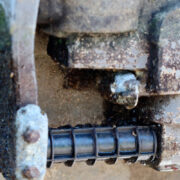
An underwater inspection may include checking the hull surface and antifouling coating as well as visually examining propellers, shafts, rudders, trim tabs, through-hull fittings, water intakes, sacrificial anodes and underwater lights.
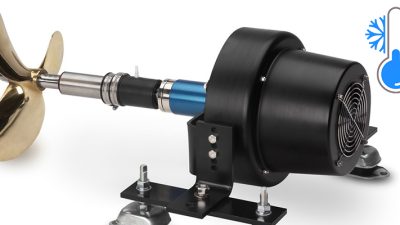
Running gear deserves particular attention. Fishing line, rope and other debris can become wrapped around propellers or shafts, while impact damage or visible irregularities may indicate that further examination is required.
Sacrificial anodes should also be monitored for deterioration. Their condition can provide useful information when deciding whether replacement is necessary as part of the vessel’s maintenance program.
Documenting an inspection can make the process considerably more useful. Photographs allow owners, captains and maintenance teams to see the actual underwater condition of the yacht and compare findings over time.
Why Regular Inspections Can Help Prevent Larger Problems
Many underwater issues are easier to address when they are discovered early.
A damaged component, deteriorated anode, obstruction around running gear or visible hull irregularity may not be obvious during normal operation. Without an underwater inspection, the first noticeable indication of a problem may instead be a change in performance, unusual vibration or another symptom that appears later.
Routine inspections establish opportunities to detect such conditions earlier and determine whether additional examination or repair is required.
They can also help maintenance teams follow changes over time. When inspection findings and photographs are documented, the condition of underwater components can be compared with previous service visits rather than assessed without any historical reference.
This preventive approach can help owners and crews make better-informed maintenance decisions and schedule necessary work before an issue becomes more disruptive.
When Does a Yacht Need Underwater Service?
Underwater cleaning and inspection can form part of a regular maintenance schedule, but there are also circumstances in which an additional inspection may be worthwhile.
A noticeable reduction in vessel performance, unusual vibration or suspected fouling can justify checking the hull and running gear. An inspection can also be valuable after a suspected impact or contact with underwater debris.
Long periods at the dock are another consideration. A yacht does not have to travel extensively to require underwater maintenance; stationary vessels remain exposed to marine growth continuously.
Inspections may also be useful before or after extended cruising, helping the owner or crew understand the condition of the hull and submerged equipment at an important point in the vessel’s operating schedule.
The appropriate service interval ultimately depends on the individual yacht, its operating pattern and the environment in which it is kept.
From Inspection to Underwater Repair
Not everything discovered during an inspection necessarily requires immediate intervention. However, when a genuine problem is identified, addressing it promptly can prevent an otherwise manageable issue from becoming more complicated.
Professional divers can assess visible underwater conditions and, depending on the type of problem and available services, certain maintenance and repair tasks may be performed without immediately removing the yacht from the water.
The relationship between cleaning, inspection and repair is therefore an important one. Cleaning provides access and visibility, inspection identifies the condition of the vessel, and appropriate repairs address problems that require attention.
For yacht owners, this creates a more complete approach to underwater maintenance than treating hull cleaning as an isolated task.
Professional Underwater Yacht Services in South Florida
Warm waters and year-round boating make underwater maintenance particularly relevant for yachts based in South Florida.
Blu Marine Diving provides professional underwater yacht services throughout South Florida, including Miami, Fort Lauderdale, Boca Raton and Palm Beach. The company specializes in professional hull cleaning and underwater repairs and uses certified divers to perform its underwater services.
Blu Marine Diving also provides a complimentary underwater inspection and HD photo report with every hull cleaning service. This gives yacht owners, captains and crews a visual record of the vessel’s underwater condition while routine cleaning is being carried out.
For yachts operating in these waters, combining hull cleaning with inspection provides a practical way to manage marine growth while monitoring the condition of submerged components and identifying areas that may require further attention.
Building a Preventive Underwater Maintenance Routine
Effective underwater hull maintenance should be viewed as an ongoing process rather than a response only when heavy fouling becomes visible or vessel performance begins to suffer.
A sensible routine combines periodic hull cleaning with visual inspection and documentation of important underwater components. Findings from those inspections can then help determine whether anodes need replacement, running gear requires attention or further investigation and repair are necessary.
Maintenance intervals should remain flexible enough to reflect real operating conditions. Water temperature, fouling pressure, vessel usage, antifouling condition and time spent at the dock can all influence how frequently underwater service is appropriate.
Most importantly, maintaining a record of inspections allows decisions to be based on the actual condition of the yacht rather than on a fixed schedule alone.
Keeping the Yacht in Good Condition Below the Waterline
Underwater hull maintenance is an easily overlooked part of yacht care because most of the affected areas remain out of sight. Yet the hull, propellers, shafts, anodes, intakes and other submerged components operate in a demanding environment every day the yacht remains in the water.
Regular hull cleaning helps control marine growth, while underwater inspections provide valuable visibility into the condition of the vessel. When problems are identified, timely attention can reduce the likelihood that relatively minor issues develop into larger maintenance concerns.
By combining cleaning, inspection, documentation and necessary repairs as part of a preventive maintenance routine, yacht owners and crews can keep a much closer eye on one of the most important — and least visible — parts of the vessel.