Tradition Rooted in History
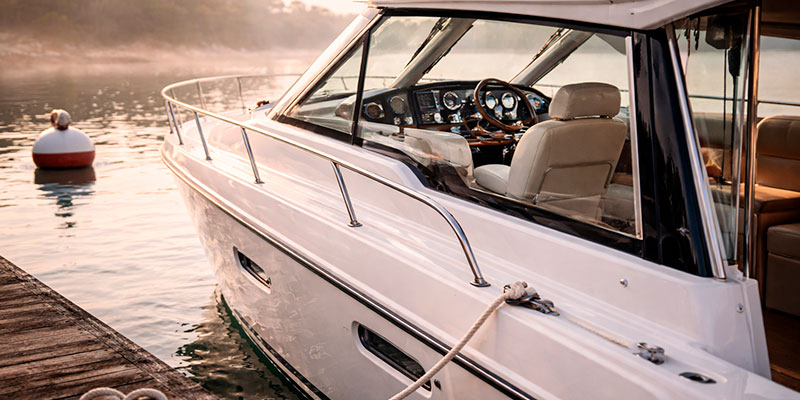
If you step aboard most motorboats or yachts for the first time, you will quickly notice that the boat steering wheel is usually located on the right side, also known as the starboard side. This layout may seem unusual to people accustomed to cars, but in the marine world it is the result of centuries of tradition, navigation rules, and practical design of marine steering systems.
The origin of this arrangement goes back to ancient times. Early boats were steered using a single oar mounted on the right side of the vessel. Since most sailors were right-handed, steering from the right side felt more natural and provided better control. Over time, this practice became standard and shaped the development of yacht equipment and helm layouts.
Navigation Rules and Visibility
When modern boats began using mechanical and hydraulic steering systems, manufacturers kept this tradition. Positioning the helm on the starboard side allows the captain to have a clear view of approaching traffic, docks, and channel markers. International navigation rules also play a role. Vessels pass each other port-to-port, meaning that having the operator on the right side gives better visibility during maneuvers in harbors and narrow waterways.
Engineering and Standardization
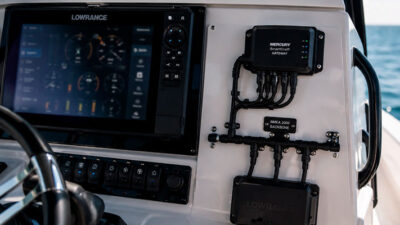
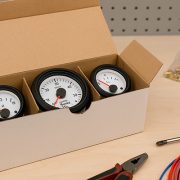
From a technical perspective, many components in boat spare parts catalogs are designed around this layout. Steering cables, hydraulic pumps, throttle controls, and instrument panels are optimized for starboard installation. This standardization reduces production costs and simplifies maintenance. Boat owners can easily find compatible spare parts for steering systems, control boxes, and dashboards because most manufacturers follow the same configuration.
Balance and Weight Distribution
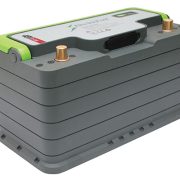
Another important factor is weight distribution. On many powerboats, engines, fuel tanks, and batteries are positioned to balance the vessel. Placing the helm on the right side often helps achieve better trim and stability, especially in single-engine boats where torque can cause the hull to lean.
Consistency in Modern Yacht Equipment
In the world of yacht equipment, consistency is crucial. Captains moving from one vessel to another benefit from familiar layouts. A starboard helm ensures intuitive operation, faster reaction times, and safer navigation. Whether it is a small fishing boat or a luxury yacht, the right-side steering position creates a common language between boats, equipment, and operators.
Conclusion
So, the next time you take the wheel, remember that its position is not random. It is the product of history, international maritime rules, and smart engineering. The right-side helm remains a cornerstone of modern marine design, supported by standardized yacht equipment and widely available boat spare parts that keep vessels reliable and easy to maintain.