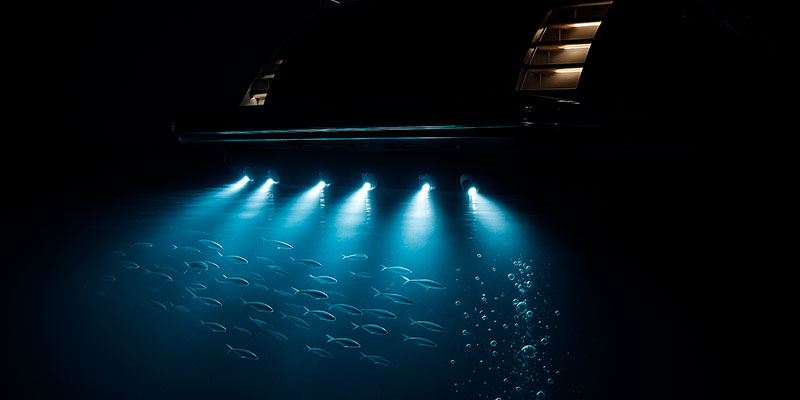
Underwater boat lights have become one of the most popular yacht accessories in recent years. They enhance visibility, attract marine life, and create a luxurious aesthetic at night. However, their legality depends on where and how they are used.
Understanding the Legal Framework
The legality of underwater boat lights varies by country and sometimes even by state or port authority. In general, marine safety authorities allow underwater lighting as long as it does not interfere with navigation lights or mislead other vessels.
- United States: The U.S. Coast Guard permits underwater lights, but they must not be visible from the front or sides in a way that mimics navigation lights (red, green, or white). Blue underwater lights are prohibited in some states like Florida, as they are reserved for law enforcement vessels.
- United Kingdom and EU: Underwater yacht lights are legal, provided they comply with the International Regulations for Preventing Collisions at Sea (COLREGs). The lights must not confuse or obstruct the visibility of required navigation lights.
- Australia and New Zealand: Similar rules apply—underwater illumination is allowed, but only if it does not create glare or interfere with navigational signals.
Always check with your local maritime authority before installation to avoid fines or vessel inspection issues.
Color Restrictions and Safety Standards
Not all colors are allowed everywhere. The color of underwater boat lights is a key factor in legality:
- Blue lights: Often restricted to police or emergency vessels.
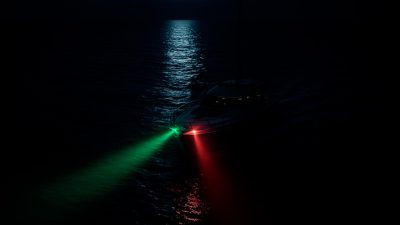
- Red or green lights: Prohibited below the waterline, as they can be mistaken for port or starboard navigation lights.
- White lights: Generally accepted worldwide and considered safest for recreational use.
- Multicolor LED systems: Allowed in private waters or marinas, but may be restricted in open navigation zones.
When selecting yacht underwater lights, choose products certified to marine standards such as ABYC A-16 or ISO 19009 to ensure compliance and reliability.
Installation and Power Considerations
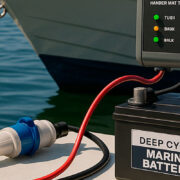
Proper installation is essential both for safety and legality. Underwater LED lights must be mounted below the waterline, typically on the transom, using marine-grade wiring and waterproof fittings. Incorrect installation can cause electrical faults or hull damage.
Professional marine electricians recommend connecting underwater lights through a dedicated fused switch, allowing quick control if the lights interfere with night visibility or navigation.
Practical Tips for Yacht Owners
- Verify local laws before installation.
- Use only marine-approved LED underwater lighting systems.
- Avoid using restricted colors like blue or red in navigable waters.
- Keep lights turned off when underway at night in busy channels.
- Regularly inspect wiring and seals for corrosion or leaks.
Conclusion
Underwater boat lights are legal in most jurisdictions when used responsibly and within maritime regulations. They can transform your yacht’s appearance and functionality, but compliance with color restrictions and safe installation standards is mandatory.
Before you buy or install any underwater lights or yacht accessories, consult with your local maritime authority and use certified marine parts suppliers to ensure your vessel remains both stylish and legal on the water.