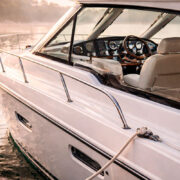
Knowing what safety equipment is required on a boat is essential for every boat owner, skipper, and charter operator. From small recreational craft to large yachts, marine safety equipment is both a legal obligation and a practical necessity that protects lives at sea. The exact requirements depend on the boat’s size, propulsion type, and where you operate (inland, coastal, or offshore), but the core categories are consistent worldwide.
1) Personal Flotation Devices and Life-Saving Gear
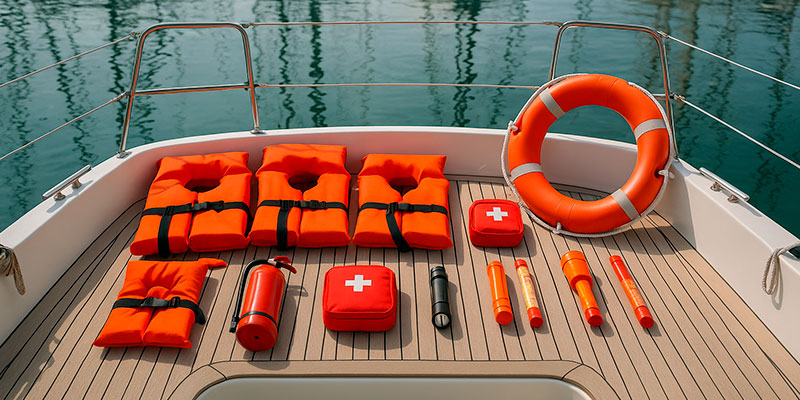
The most fundamental boat safety equipment is personal flotation. In most jurisdictions, you must carry an approved life jacket for each person on board. Life jackets should match the wearer’s size and weight, be in good condition, and be easy to access.
For many boats and especially for yacht equipment setups used offshore, it’s also common to carry additional life-saving gear such as:
- Throwable flotation devices
- Lifebuoys with lines and lights
- Inflatable life rafts for offshore passages
2) Fire Safety Equipment
Fire prevention and response is a non-negotiable part of marine safety equipment. Motorized vessels typically require marine-rated fire extinguishers suitable for fuel and electrical fires. The number, rating, and placement often depend on boat length and engine power.
- Portable fire extinguishers
- Engine-compartment fire suppression systems
- Fire blankets for galley areas
3) Visual Distress Signals and Emergency Communication
Visual distress signaling is frequently required for coastal and offshore boating. These items allow rescuers to locate your vessel quickly during an emergency.
- Hand flares, rocket flares, or smoke flares
- Signal mirror and waterproof flashlight
- EPIRB or PLB for offshore navigation
4) Navigation Lights and Sound Signaling Devices
Navigation rules require boats to be visible and audible to others. Navigation lights are mandatory for night operation and reduced visibility conditions.
- Properly installed navigation lights
- Horn, whistle, or other approved sound signaling device
- Spare bulbs or LED units as boats spare parts
5) Bilge, Flooding Control, and Emergency Basics
Flooding control equipment is critical for maintaining buoyancy and stability. Many boats are required to carry at least one bilge pump.
- Electric bilge pump
- Manual bilge pump or bailer
- Emergency plugs for through-hull fittings
6) First Aid Kit and Onboard Safety Tools
A first aid kit is required or strongly recommended in most boating regulations. The contents should match the crew size and operating area.
- Marine first aid kit
- Rescue knife or line cutter
- Emergency thermal blankets
7) Anchoring Equipment
Anchoring equipment is often legally required and always essential for safety. A reliable anchor setup can prevent drifting during engine failure.
- Anchor suitable for boat size
- Correct chain and rode length
- Spare shackles and fittings
8) Essential Boats Spare Parts
Carrying essential boats spare parts improves safety by reducing the risk of breakdowns that can lead to emergencies.
- Fuel filters, belts, and impellers
- Spare fuses and electrical connectors
- Basic tool kit for onboard repairs
Conclusion
Understanding what safety equipment is required on a boat helps ensure compliance, safety, and confidence on the water. Proper yacht equipment, combined with well-chosen boats spare parts, forms the foundation of responsible and safe boating in any navigation area.