A bilge pump is one of the most important pieces of marine equipment on any boat or yacht.
Its primary function is to remove unwanted bilge water from the lowest part of the hull, known as the bilge.
By keeping this area dry, the bilge pump plays a critical role in overall boat safety, reliability, and comfort on board.
What Is Bilge Water?
Even a well-maintained vessel is never completely dry inside. Water can enter the bilge area from many different sources:
- Rainwater leaking through hatches, ports, or covers
- Spray and waves coming over the deck and finding their way below
- Minor hull seepage or deck fitting leaks
- Drips from shaft seals, engine cooling systems, or hoses
- Leaking freshwater or waste systems
- Condensation forming on interior surfaces
All of this moisture ends up in the bilge as bilge water, and without a working bilge pump, it will gradually accumulate and create serious problems.
Why the Bilge Pump Is Essential for Boat Safety
The bilge pump is not just a convenience; it is a critical safety device.
If bilge water is not removed, it can:
- Reduce the stability of the yacht and affect its handling
- Reach and damage batteries, wiring, and electrical panels
- Flood the engine compartment and cause engine failure
- Promote corrosion of metal parts and fittings
- Lead to mold, odors, and an unhealthy environment on board
A properly installed and maintained bilge pump system is a key element of safe yacht operation and should be high on any boat maintenance checklist.
How the Bilge Pump Works
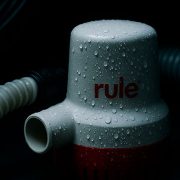
Most modern yachts and boats use an electric bilge pump powered by the onboard battery system.
Inside the pump, an impeller or diaphragm creates suction and pushes water out through a discharge hose and overboard.
There are two basic ways to operate a bilge pump:
-
Manual control: The crew activates the bilge pump using a switch at the helm or in the cabin.
This requires regular visual inspection of the bilge area. - Automatic control: An automatic bilge pump switch (often a float switch or electronic water sensor) detects the water level and turns the pump on and off without human intervention.
For best boat safety, many owners use a combination of both: an automatic bilge pump with a manual override switch.
Types of Bilge Pumps on Yachts and Boats
There are several common types of bilge pumps used in yacht equipment and boat spare parts:
-
Centrifugal bilge pumps – Lightweight, efficient, and capable of moving large volumes of water.
These are the most common bilge pumps in recreational boating. -
Diaphragm bilge pumps – Self-priming and better at handling air and small debris.
They are often used where the pump cannot be mounted directly in the lowest part of the bilge. -
Submersible bilge pumps – Installed directly in the bilge water.
Compact, easy to install, and widely used as the main automatic bilge pump on smaller boats.
The choice of bilge pump type and capacity depends on the size of the vessel, the layout of the bilge compartments, and the intended use of the boat.
Automatic Bilge Pump Switch and High-Water Alarm
An automatic bilge pump switch is a small but vital component of the bilge system.
It senses the water level and turns the pump on when water rises above a certain point, then turns it off again when the bilge is nearly dry.
For increased boat safety, many yachts also have:
- A high-water alarm that sounds when the bilge water level is unusually high
- Separate bilge pumps for different compartments (engine room, aft bilge, forward bilge)
- Dedicated wiring and fuses to keep the bilge pump operational even if other systems fail
These additional elements help protect the vessel in case of unexpected leaks or hull damage.
Bilge Pump Capacity and Installation Considerations
When planning or checking your bilge system, it is important to consider:
- The total volume of the bilge areas on your boat
- The recommended bilge pump capacity (measured in liters per hour or gallons per hour)
- The diameter and length of discharge hoses
- Correct hose routing with anti-siphon protection
- Secure mounting of the bilge pump and automatic switch
A properly sized and correctly installed bilge pump system allows the yacht to cope better with heavy rain, leaks, or minor flooding.
Routine Yacht Maintenance for the Bilge Pump System
Regular inspection and maintenance are essential to keep the bilge pump ready for operation:
- Check that the pump turns on and off correctly, both manually and automatically
- Inspect wiring, connectors, and fuses for corrosion or loose contacts
- Verify that the discharge hose is secure, free of kinks, and not blocked
- Clean debris from the bilge so it cannot clog the pump or strainers
- Test the high-water alarm, if installed
Including the bilge pump on your yacht maintenance schedule helps avoid surprises when you are underway or when the boat is left unattended in the marina.
Common Bilge Pump Problems and Spare Parts
Like any marine equipment, bilge pumps and their accessories can wear out over time.
Typical issues include:
- Impeller wear or damage reducing pump performance
- Corroded electrical terminals and connectors
- Failed automatic bilge pump switch or float sensor
- Cracked or leaking discharge hoses
- Blocked strainers or intake screens
Fortunately, many yacht chandlers and marine stores offer a wide range of boat spare parts for bilge systems: replacement pumps, float switches, strainers, hose fittings, and complete bilge pump kits for upgrades or repairs.
Summary: The Role of the Bilge Pump on Your Boat
The bilge pump quietly works in the background, but it is one of the most important safety components on any yacht or boat.
By removing excess bilge water, it:
- Improves boat safety and stability
- Protects engines, generators, and electrical systems
- Reduces corrosion and structural damage over time
- Helps maintain a clean, dry, and comfortable interior
Whether you are fitting out a new yacht or upgrading older marine equipment, paying attention to your bilge pump system, automatic bilge pump switch, and related boat spare parts is essential.
A reliable bilge pump can make the difference between a minor incident and a serious emergency at sea.