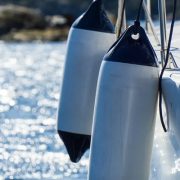
Boat owners know that docking damage can quickly become an expensive problem. Even a light impact between a boat hull and the dock may leave scratches, dents, scuffs, or gelcoat damage. That is why many marina owners and private boaters choose do it yourself boat dock bumpers as a practical and cost-effective solution.
With the right materials and simple installation techniques, homemade dock bumpers can provide reliable boat dock protection while helping you save money.
Why DIY Boat Dock Bumpers Are Popular
Commercial dock edging and marine bumpers are widely available, but they are not always affordable for every boat owner. DIY boat dock bumpers allow you to customize the size, shape, and mounting style according to your dock layout, boat type, and docking conditions.
Another advantage is flexibility. Whether you own a fishing boat, pontoon boat, sailboat, motorboat, or yacht, custom dock bumpers can be adapted to different waterfront setups. Many boaters also prefer homemade dock protection because worn sections can be replaced quickly without buying a complete dock bumper system.
Best Materials for Homemade Dock Bumpers
Choosing the right materials is essential for durable boat dock bumpers. Marine environments expose bumpers to UV rays, saltwater, moisture, wind, waves, and constant friction.
Popular materials for homemade boat dock bumpers include:
- PVC pipes
- Marine-grade foam
- Recycled rubber
- Old tires
- Carpet-covered wooden boards
- Vinyl dock edging
- Pool noodles for light-duty applications
PVC pipe dock bumpers are among the most common options because they resist water damage and can absorb moderate impact. Foam dock bumpers are lightweight and easy to install, while rubber dock bumpers provide excellent long-term durability for busy docks and marinas.
How to Build DIY Boat Dock Bumpers
Creating homemade boat dock bumpers does not require professional marine engineering skills. Most projects can be completed using basic tools, simple hardware, and affordable materials.
Step 1: Measure Your Dock
Identify the areas where your boat most often touches the dock. Corners, narrow slip entrances, and exposed side sections usually require extra protection.
Step 2: Select the Right Bumper Material
For small recreational boats, foam or PVC solutions are often sufficient. Heavy boats and yachts may require thick rubber dock bumpers, layered marine foam, or stronger commercial-style dock edging.
Step 3: Cut Materials to Size
Trim PVC pipes, foam padding, or rubber strips to match the dock dimensions. Smooth sharp edges carefully to avoid scratching the boat hull.
Step 4: Install Mounting Hardware
Use stainless steel screws, washers, and marine-grade brackets to reduce corrosion. Secure the bumpers tightly so they remain stable during rough weather, tide movement, and wave action.
Step 5: Test Dock Clearance
After installation, slowly dock your boat and check whether the bumpers align correctly with the hull. Adjust the height or spacing if needed.
PVC Pipe Boat Dock Bumpers
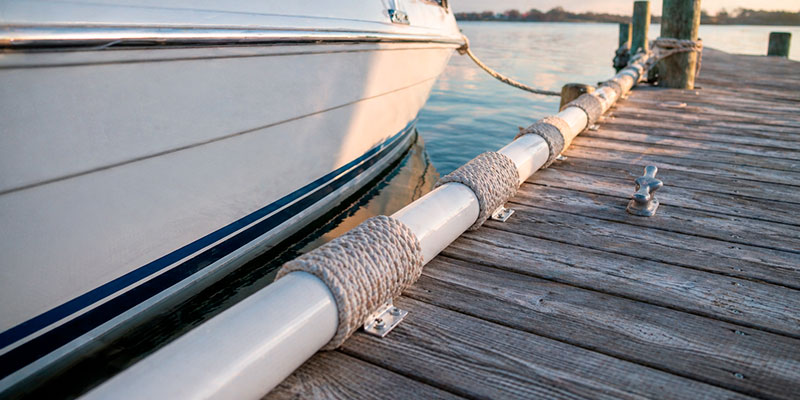
PVC pipe systems are one of the easiest do it yourself boat dock bumpers projects. Many boaters use large-diameter PVC tubing wrapped in marine carpet, rope, or foam padding.
Benefits of PVC dock bumpers include:
- Low cost
- Easy installation
- Water resistance
- Long service life
- Minimal maintenance
Some dock owners fill PVC pipes with foam insulation to improve shock absorption. This method works especially well for floating docks, private piers, and smaller marina slips.
Using Old Tires for Dock Protection
Recycled tires remain a classic option for homemade dock bumpers. Although they are not always the most attractive solution, they offer strong impact resistance for work docks, fishing docks, and utility marinas.
To improve appearance and help prevent black scuff marks on boat hulls, many people wrap tires with marine rope, vinyl covers, or protective fabric. Proper spacing is important to avoid uneven contact during docking.
Foam Dock Bumpers for Small Boats
Foam-based boat dock bumpers are ideal for lightweight vessels, kayaks, jet skis, small fishing boats, and personal watercraft. Closed-cell marine foam resists water absorption and maintains cushioning performance over time.
Foam dock protection is also useful for temporary docking areas or seasonal waterfront installations. However, direct sunlight can eventually degrade low-quality foam, so UV-resistant materials are recommended.
Common Mistakes to Avoid
Many DIY marine projects fail because of poor material selection or weak installation methods. When building do it yourself boat dock bumpers, avoid these common mistakes:
- Using indoor materials not designed for marine environments
- Installing bumpers too low or too high
- Choosing hardware that rusts quickly
- Leaving exposed bolts that can scratch the hull
- Ignoring tidal movement and dock height changes
Marine-grade components may cost slightly more at the beginning, but they significantly increase durability, safety, and long-term performance.
Maintenance Tips for DIY Dock Bumpers
Even the best homemade dock bumpers require regular inspection. Check mounting hardware, foam compression, rubber cracks, and surface wear several times during the boating season.
Wash salt residue and dirt from dock bumpers to reduce material deterioration. Replace cracked PVC sections, damaged foam, or loose fasteners as soon as possible to maintain effective boat protection.
Seasonal maintenance helps extend the lifespan of your dock bumper system and reduces long-term repair costs for both the dock and the boat.
Are DIY Dock Bumpers Worth It?
For many boat owners, do it yourself boat dock bumpers provide an excellent balance between affordability and performance. A well-designed homemade dock protection system can prevent costly hull damage while allowing complete customization for your marina, private dock, boat slip, or waterfront property.
Whether you choose PVC pipe bumpers, marine foam padding, recycled rubber, or old tires, careful installation and regular maintenance are the keys to long-lasting dock safety.