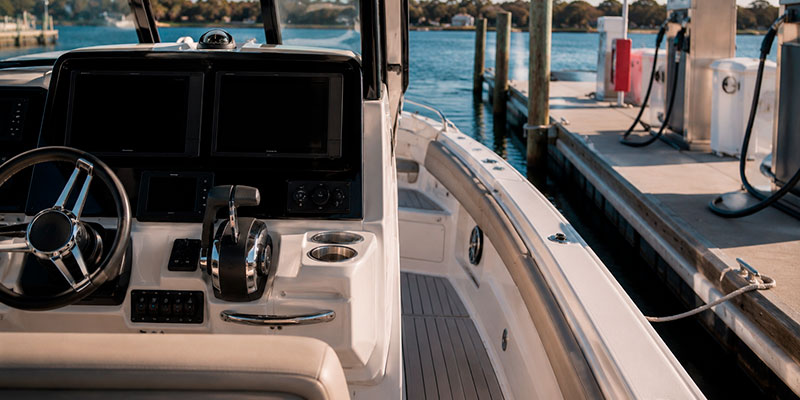
Fueling a boat may seem like a routine task, but it is one of the most critical moments for onboard safety. Gasoline and diesel fuel can create dangerous situations if proper procedures are not followed. Understanding what is a good safety precaution when fueling your boat helps protect passengers, prevent fires, and ensure safe operation on the water.
Why Fueling Safety Matters
Marine fuel systems operate in an enclosed environment where fuel vapors can accumulate in compartments, bilges, and engine spaces. Unlike automobiles, boats often have limited ventilation, making fuel vapors particularly hazardous. Even a small spark from electrical equipment can ignite gasoline fumes and cause a fire or explosion.
Whether you own a fishing boat, sailboat, pontoon, or motor yacht, following proper fueling procedures is an essential part of responsible boating.
The Most Important Safety Precaution When Fueling Your Boat
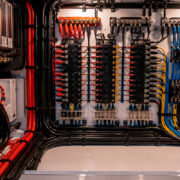
One of the most important safety precautions when fueling your boat is to shut off the engine and all electrical equipment before fueling begins.
This includes:
- Engines and generators
- Cabin lights
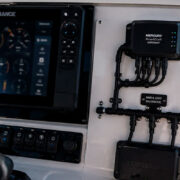
- Navigation electronics
- Air conditioning systems
- Refrigerators
- Radios and entertainment equipment
- Battery chargers and inverters
By eliminating potential ignition sources, you significantly reduce the risk of fuel vapor ignition during the fueling process.
Additional Boat Fueling Safety Procedures
Safe fueling involves several steps before, during, and after adding fuel.
Before Fueling
Before approaching the fuel dock:
- Secure the boat properly.
- Turn off all engines and electrical systems.
- Extinguish cigarettes and prohibit smoking onboard.
- Ask passengers to disembark whenever possible.
- Close all hatches, doors, ports, and windows to prevent fuel vapors from entering the cabin.
These precautions help contain fuel vapors and minimize ignition risks.
During Fueling
When fueling your boat:
- Maintain contact between the fuel nozzle and the fuel fill pipe.
- Fuel slowly to avoid spills and overflow.
- Stay at the fuel fill location throughout the process.
- Never use automatic nozzle hold-open devices.
- Watch fuel tank levels carefully.
Fuel spills can damage the environment and create additional fire hazards around the vessel.
After Fueling
Once fueling is complete:
- Tighten the fuel cap securely.
- Wipe up any spilled fuel immediately.
- Open hatches and compartments.
- Ventilate the boat thoroughly.
- Run the bilge blower for at least four minutes if your boat is gasoline-powered.
- Perform a smell test before starting the engine.
If you detect any gasoline odor, continue ventilating and inspect the fuel system before operating the vessel.
The Role of Marine Ventilation Systems
Proper ventilation is a critical component of boat safety. Gasoline vapors are heavier than air and naturally settle into the bilge. Marine bilge blowers help remove accumulated vapors before engine startup.
Boat owners should regularly inspect:
- Bilge blower motors
- Ventilation ducts
- Air intake vents
- Engine compartment ventilation systems
Damaged or blocked ventilation equipment can reduce safety and increase the risk of vapor accumulation.
Fuel System Maintenance and Safety
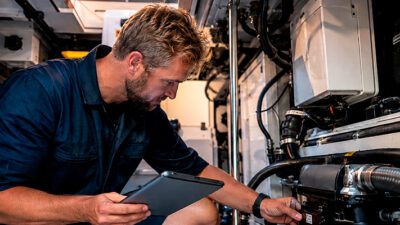
Fueling safety extends beyond the fuel dock. Regular inspection of the boat’s fuel system helps prevent leaks and dangerous conditions.
Check the following components regularly:
- Fuel hoses
- Hose clamps
- Fuel tanks
- Fuel filters
- Fuel fill fittings
- Fuel vents
Replace any damaged or deteriorated components immediately using marine-grade replacement parts designed for the specific fuel type used onboard.
Common Fueling Mistakes to Avoid
Many boating accidents occur because simple precautions are ignored. Avoid these common mistakes:
- Smoking while fueling
- Leaving the fuel nozzle unattended
- Overfilling fuel tanks
- Starting the engine immediately after fueling
- Ignoring fuel odors
- Using damaged fuel hoses or fittings
- Failing to ventilate enclosed spaces
Even experienced boaters should follow the same fueling checklist every time they visit a marina.
Fueling Safety for Diesel Boats
Although diesel fuel is generally less volatile than gasoline, diesel-powered vessels still require safe fueling practices.
Diesel boat owners should:
- Shut down engines and electrical equipment.
- Prevent fuel spills.
- Clean up spills immediately.
- Inspect fuel lines regularly.
- Use proper fuel filtration systems.
Environmental regulations often impose significant penalties for fuel spills, regardless of fuel type.
Conclusion
If you are wondering what is a good safety precaution when fueling your boat, the most important step is to turn off the engine and all electrical equipment before fueling begins. Combined with proper ventilation, spill prevention, and post-fueling inspections, this simple precaution greatly reduces the risk of fire and explosion.
Safe fueling practices should become a routine part of every boating trip. By following established marine safety procedures and maintaining your boat’s fuel system properly, you can protect your vessel, passengers, and the surrounding marine environment.