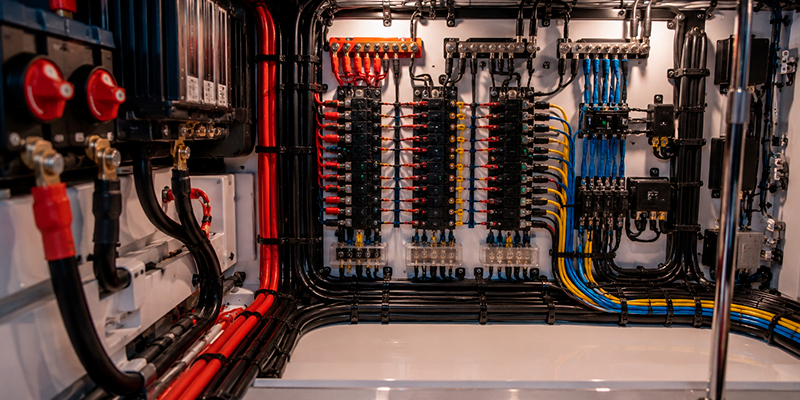
A marine wire size chart is an essential reference for boat owners, marine electricians, and yacht maintenance professionals. Selecting the correct marine wire gauge ensures safe operation of onboard electrical systems, minimizes voltage drop, and protects equipment from overheating. Whether you are installing navigation lights, bilge pumps, marine electronics, or battery systems, understanding marine wire sizing is critical for reliability and safety at sea.
Why Marine Wire Size Matters
Unlike automotive wiring, marine electrical systems operate in a harsh environment with constant exposure to moisture, vibration, salt, and temperature fluctuations. Using undersized wire can lead to excessive voltage drop, reduced equipment performance, overheating, and even electrical fires.
A properly selected marine cable offers:
- Improved electrical efficiency
- Reduced voltage loss
- Enhanced equipment performance
- Better protection against overheating
- Longer service life of electrical components
Marine-grade wire is typically made from tinned copper conductors, which provide superior corrosion resistance compared to standard automotive wire.
Understanding AWG Wire Sizes
Marine wire sizes are commonly measured using the American Wire Gauge (AWG) system. In this system, a smaller AWG number indicates a larger wire diameter and higher current-carrying capacity.
Common marine wire gauges include:
| AWG Size | Typical Applications |
|---|---|
| 18 AWG | Instrument lighting, sensors |
| 16 AWG | Navigation lights, small electronics |
| 14 AWG | Cabin lighting, accessory circuits |
| 12 AWG | Pumps, electronics, medium loads |
| 10 AWG | Refrigeration systems, larger pumps |
| 8 AWG | Battery chargers, windlasses |
| 6 AWG | Inverters, high-current circuits |
| 4 AWG | Battery banks |
| 2 AWG | Starter circuits |
| 1/0 AWG and larger | Main battery cables |
Marine Wire Size Chart
The following marine wire size chart provides general recommendations based on current load and circuit length while maintaining acceptable voltage drop.
| Wire Size (AWG) | Max Current (Amps) | Typical Circuit Length |
|---|---|---|
| 18 AWG | 5 A | Up to 15 ft |
| 16 AWG | 10 A | Up to 20 ft |
| 14 AWG | 15 A | Up to 25 ft |
| 12 AWG | 20 A | Up to 30 ft |
| 10 AWG | 30 A | Up to 40 ft |
| 8 AWG | 40 A | Up to 55 ft |
| 6 AWG | 55 A | Up to 70 ft |
| 4 AWG | 70 A | Up to 90 ft |
| 2 AWG | 95 A | Up to 110 ft |
| 1/0 AWG | 150 A | Up to 150 ft |
These values are general guidelines. Always consult ABYC recommendations and manufacturer specifications when designing marine electrical systems.
Voltage Drop Considerations
Voltage drop is one of the most important factors when selecting marine wire size. As electrical current travels through a conductor, some voltage is lost due to resistance.
Marine industry standards generally recommend:
- 3% voltage drop for critical circuits
- Navigation lights
- GPS systems
- Communication equipment
- Bilge pumps
- 10% voltage drop for non-critical circuits
- Cabin lighting
- Fans
- General accessories
Longer cable runs require larger wire sizes to maintain acceptable voltage levels at the equipment.
How to Calculate Marine Wire Size
To determine the correct marine wire gauge, consider the following factors:
- Operating voltage (12V, 24V, or 48V)
- Current draw in amps
- Total circuit length (round-trip distance)
- Maximum allowable voltage drop
- Environmental conditions
The basic process involves:
- Determining the equipment’s current consumption
- Measuring the total wire run length
- Selecting the appropriate voltage drop percentage
- Using a marine wire size chart to identify the correct cable gauge
For high-current applications such as windlasses, bow thrusters, and inverters, precise calculations are strongly recommended.
Marine Wire Types
Primary Marine Wire
Primary wire is used for general-purpose DC circuits, including lighting, electronics, and accessory equipment.
Battery Cable
Battery cable is designed for high-current applications such as starter motors, battery banks, and inverter connections.
Duplex Marine Cable
Duplex cable contains two conductors within a single jacket, making it ideal for DC circuits and simplifying installation.
Triplex Marine Cable
Triplex cable contains three conductors and is commonly used in AC electrical systems.
Common Wiring Mistakes to Avoid
Improper marine wiring can create safety hazards and equipment failures. Avoid these common mistakes:
- Using automotive wire instead of marine-grade wire
- Choosing wire solely based on amp rating
- Ignoring voltage drop calculations
- Installing undersized battery cables
- Using non-marine connectors and terminals
- Failing to protect circuits with appropriate fuses or breakers
Proper wire sizing and installation help ensure dependable operation and compliance with marine electrical standards.
Marine Wire Size for Common Boat Equipment
Here are typical wire size recommendations for common onboard systems:
| Equipment | Typical Wire Size |
|---|---|
| LED Navigation Lights | 16 AWG |
| Cabin Lights | 14 AWG |
| Bilge Pump | 12 AWG |
| VHF Radio | 12 AWG |
| Chartplotter | 14 AWG |
| Fish Finder | 14 AWG |
| Battery Charger | 8–10 AWG |
| Inverter | 2–4 AWG |
| Windlass | 2/0 AWG or larger |
Actual requirements may vary depending on cable length and equipment specifications.
Choosing the Best Marine Wire
When purchasing marine electrical cable, look for:
- Tinned copper conductors
- Flexible stranded construction
- Oil-resistant insulation
- UV-resistant jacket
- Compliance with marine industry standards
High-quality marine wire provides superior corrosion resistance, flexibility, and long-term reliability in demanding marine environments.
Conclusion
A marine wire size chart is an invaluable tool for designing and maintaining safe boat electrical systems. Correct wire sizing minimizes voltage drop, improves equipment performance, and reduces the risk of electrical failures. By considering current load, circuit length, and voltage drop requirements, boat owners can select the proper marine wire gauge for any application, from navigation electronics to heavy-duty battery installations.
Whether upgrading a yacht’s electrical network or performing routine maintenance, choosing the correct marine wire size is a fundamental step toward a safer and more reliable vessel.