Water skiing is one of the most exciting water sports, but it also requires strict attention to safety to prevent accidents and equipment damage. Understanding and applying recommended water skiing safety practices ensures both fun and security on the water. These guidelines are essential for anyone involved in yacht operations, boat rentals, or private water skiing activities.
1. Inspect Boat and Yacht Equipment Thoroughly
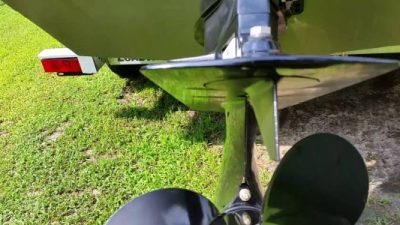
Before starting, check all yacht equipment and boat spare parts to ensure everything is in excellent condition. This includes inspecting the tow rope for frays, checking the tow point or pylon for structural integrity, and confirming that the propeller and engine components are functioning correctly. Proper maintenance of boat spare parts, such as steering cables and throttle controls, is essential to avoid mechanical failures while towing a skier.
2. Always Wear a Certified Life Jacket
Every water skier should wear a US Coast Guard or internationally approved life jacket designed for high-impact water sports. Unlike standard flotation devices, water skiing life jackets provide a snug fit and allow full mobility while ensuring buoyancy in case of a fall. This is a non-negotiable safety measure.
3. Use a Trained Observer Onboard
One of the key recommended water skiing safety practices is to always have a second person on the boat as an observer. The observer’s role is to watch the skier and communicate with the boat operator using hand signals. This ensures that the operator can focus on navigation and maintaining safe speed, while the skier’s status is constantly monitored.
4. Establish and Use Standard Hand Signals
Clear communication between the skier, observer, and boat operator is critical. Internationally recognized hand signals should be agreed upon before starting. Examples include “thumbs up” for increasing speed, “thumbs down” for slowing down, and “hands on head” to signal that the skier is OK after falling. This communication system helps prevent misunderstandings and keeps everyone safe.
5. Maintain Safe Speeds and Distances
The recommended water skiing safety practice includes maintaining appropriate boat speed according to the skier’s skill level and keeping a minimum distance of 60 meters from other boats, docks, swimmers, and the shoreline. Never ski in congested areas, near obstacles, or in restricted zones. Proper control of yacht equipment and engine power helps maintain steady towing speed, reducing the risk of sudden jerks that can cause injuries.
6. Avoid Water Skiing in Poor Conditions
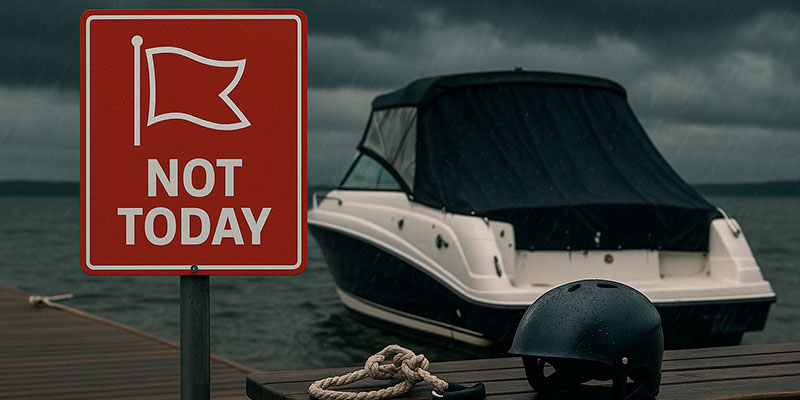
Do not attempt water skiing in bad weather, rough waters, or low visibility. Strong winds and waves can make it difficult to maintain balance, and poor visibility increases the risk of collisions. Always check weather forecasts and local maritime safety advisories before heading out.
7. Perform Regular Maintenance on Boat Spare Parts
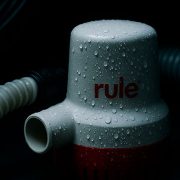
Safety is not only about behavior but also about reliable equipment. Regularly servicing boat spare parts like propellers, rudders, and engine components helps avoid sudden failures. Keep emergency tools, spare ropes, and safety kits on board every yacht or boat used for towing.
Conclusion
Following recommended water skiing safety practices protects skiers, boat operators, and surrounding water users. Thorough equipment checks, the use of proper yacht equipment and certified life jackets, clear communication, safe navigation, and adherence to weather conditions form the foundation of safe and enjoyable water skiing. Regular maintenance of boats and spare parts ensures smooth operations and minimizes risks during every session.