Commercial fishing vessels operate in some of the harshest marine environments on Earth. Every component of the fishing system must be designed to withstand saltwater, heavy mechanical loads, and constant exposure to electrical and environmental influences. One important but often overlooked component is the insulator installed on fishing lines and associated fishing gear. Many people unfamiliar with commercial fishing ask: why do fishing boats have insulators on the fishing line?
The answer involves electrical protection, corrosion prevention, crew safety, and improved fishing gear performance. Understanding the purpose of these insulators helps explain how modern fishing operations maintain efficiency and reliability at sea.
What Are Fishing Line Insulators?
Fishing line insulators are specialized non-conductive components placed between sections of fishing equipment. Depending on the type of vessel and fishing method, insulators may be installed between the fishing line and metal hardware, between longline components, or within electrically sensitive fishing systems.
These components are commonly manufactured from high-strength polymers, ceramic materials, reinforced composites, or other non-conductive marine-grade materials. Their primary function is to interrupt electrical conductivity while maintaining the mechanical strength required for commercial fishing operations.
Electrical Isolation in Marine Environments
One of the main reasons why fishing boats have insulators on the fishing line is electrical isolation. Saltwater is an excellent conductor of electricity, and fishing vessels contain numerous electrical systems, including navigation equipment, communication devices, sonar systems, generators, and deck machinery.
Without proper insulation, stray electrical currents can travel through metallic fishing gear. This can create unwanted electrical pathways that may interfere with onboard electronics or increase the risk of electrical damage. Insulators help separate conductive components and reduce the possibility of current flow through fishing equipment.
Protection Against Galvanic Corrosion
Galvanic corrosion is a major concern in marine applications. When dissimilar metals come into contact in a saltwater environment, electrochemical reactions can occur. These reactions gradually deteriorate metal components, reducing their strength and service life.
Fishing line insulators help break the electrical circuit between different metal parts. By interrupting the flow of electrical current, they significantly reduce galvanic corrosion. This protection extends the lifespan of fishing gear, deck hardware, swivels, hooks, connectors, and other valuable boat spare parts.
Reducing Electrolysis Damage
Electrolysis can damage underwater metal components when stray electrical currents are present. Commercial fishing vessels invest heavily in gear systems, making protection from electrolysis extremely important.
By incorporating insulators into the fishing line assembly, operators can minimize unwanted electrical transfer. This helps protect both fishing equipment and critical vessel systems from premature deterioration.
Improved Fish Behavior Management
In certain commercial fisheries, electrical fields generated by conductive gear may influence fish behavior. Some marine species are sensitive to weak electrical signals in the water.
Although this effect varies depending on species and fishing method, insulating components can help reduce electrical signatures associated with fishing gear. In some cases, this may contribute to more natural fish behavior around hooks and bait, potentially improving catch efficiency.
Enhanced Crew Safety
Crew safety is always a top priority aboard fishing vessels. Fishing operations frequently occur during poor weather conditions and involve extensive use of hydraulic and electrical machinery.
Insulators provide an additional layer of protection by reducing the possibility of electrical conduction through fishing equipment. While they are not a substitute for proper marine electrical safety procedures, they contribute to an overall safer working environment on deck.
Applications in Longline Fishing
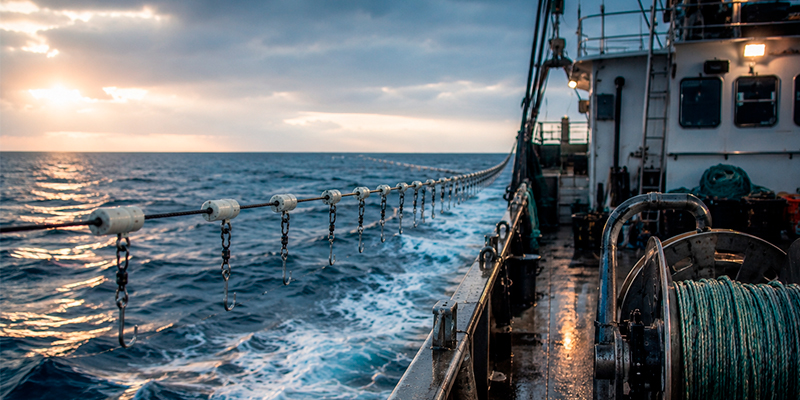
Longline fishing operations commonly use extensive gear systems that may stretch for several miles. These systems include hooks, leaders, swivels, floats, and various connectors.
Insulators are often incorporated into longline assemblies to isolate sections of gear, reduce corrosion, and improve overall durability. Because longline systems remain deployed in seawater for extended periods, corrosion prevention becomes especially important.
Applications in Specialized Fishing Equipment
Modern fishing vessels increasingly utilize advanced electronics such as fish-finding sonar, underwater sensors, and monitoring equipment. In some specialized fisheries, insulated components help prevent interference between electronic systems and fishing gear.
This integration of marine electronics and fishing equipment has made electrical isolation more important than ever before.
Maintenance Considerations
Like all marine equipment, fishing line insulators require regular inspection. Operators should check for:
- Cracks or structural damage
- Excessive wear from abrasion
- UV degradation
- Loose fittings
- Corrosion around adjacent metal hardware
Replacing damaged insulators promptly helps maintain the effectiveness of the entire fishing system and protects expensive boat spare parts from avoidable damage.
Choosing High-Quality Marine Insulators
When selecting replacement components, vessel owners should prioritize marine-grade materials specifically designed for commercial fishing applications. Quality insulators must provide:
- High tensile strength
- Excellent electrical resistance
- UV protection
- Saltwater resistance
- Long service life
Using properly engineered fishing gear components reduces maintenance costs and improves operational reliability.
Conclusion
So, why do fishing boats have insulators on the fishing line? The primary reasons include electrical isolation, corrosion prevention, protection against electrolysis, enhanced crew safety, and improved fishing gear performance. These seemingly simple components play a critical role in preserving fishing equipment and supporting efficient commercial fishing operations.
For vessel operators, investing in quality insulators and maintaining them properly can significantly extend the lifespan of fishing gear and boat spare parts while ensuring safer and more productive fishing activities.